OPINION: The current assembly elections in Kashmir will unfold historic shift in Kashmir Valley
By Kundan Kashmiri
The ongoing Jammu and Kashmir Assembly elections mark a distinct departure from past elections in the region. Historically, elections in Kashmir have revolved around narratives of autonomy, separatism, or even secession. The political landscape was dominated by these ideologies, often shaped by hardliners and anti-India sentiments. However, the abrogation of Article 370 on August 5-6, 2019, demolished these narratives, altering the very nature of political discourse in Kashmir. As the Union Territory heads into its most congested and closely contested election yet, it is clear that this election is unlike any that have come before.
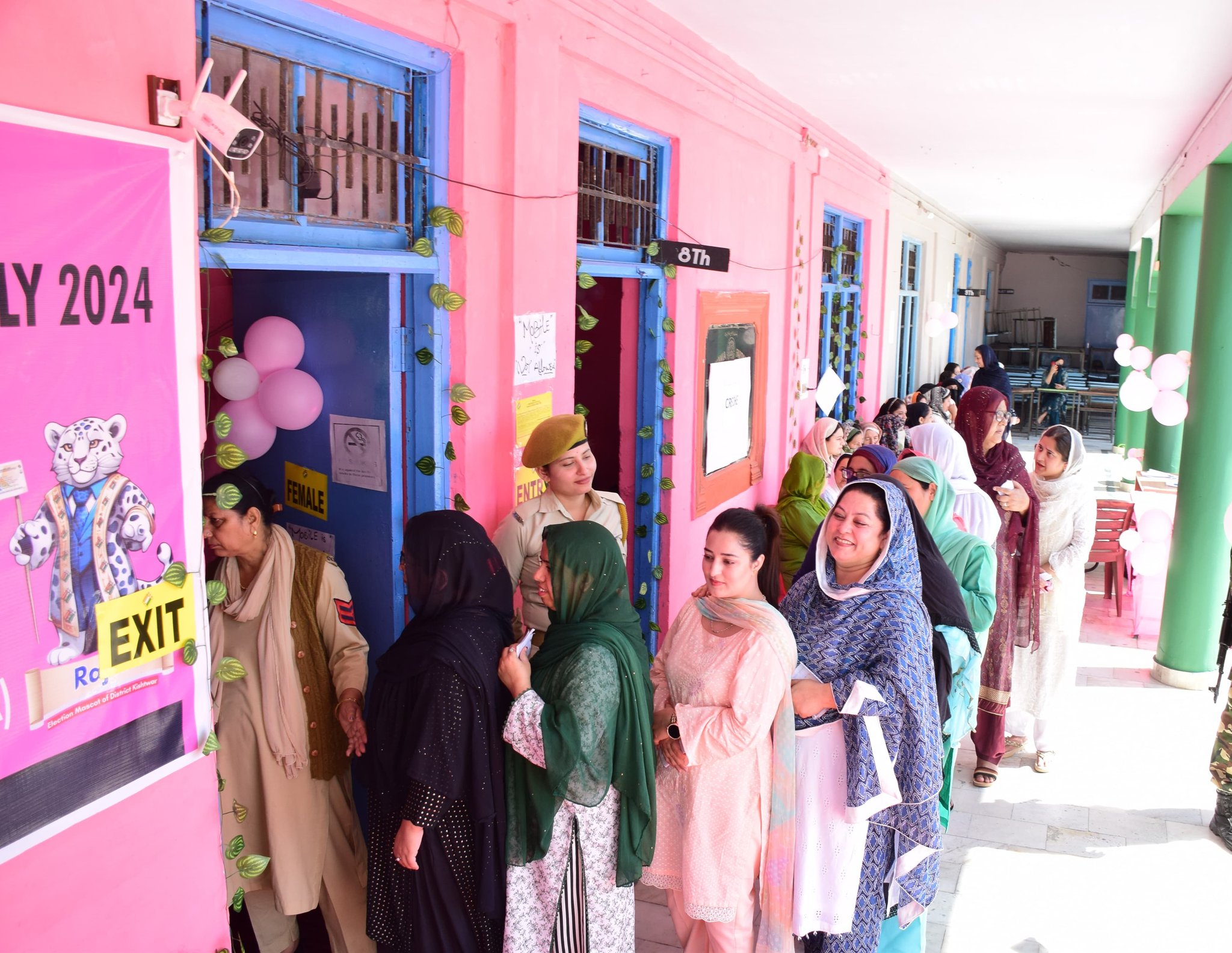
Although grievances regarding unemployment, huge electricity bill s, water and lack of jobs persist, the people of Jammu and Kashmir seem determined to express their frustration through their vote.
Despite unresolved issues, there remains a deep desire among the people to participate in the democratic process in kashmir Valley during these elections. However, the shadow of Article 370’s abrogation still looms aqqq large in the minds of many Kashmiri Muslims. A significant portion of the population remains dissatisfied with the sudden loss of the state’s special status and its subsequent transition into a Union Territory. Many voters are conflicted between rejecting the current administration and using their vote to bring about change by electing representatives to the Assembly, while some remain pleased with the iron-hand approach of the Lieutenant Governor’s rule,for long years which has curbed stone pelting, hartals, and unrest, allowing schools and colleges to operate smoothly.
Also the death of Syed Ali Shah Geelani, a staunch separatist and pro-Pakistan leader, has created a significant shift in the political landscape. Once resolutely opposed to elections in Kashmir, his death has opened the door for more moderate elements within the Jamaat-e-Islami (JeI) to participate, albeit perhaps strategically. While the softening stance of JeI might suggest a change of heart, it could also signal a calculated move to gain power and further their objectives covertly, a possibility that cannot be ignored.
A major question now plagues the minds of Kashmiri voters: should they vote for development, nationalism, or continue supporting the remnants of separatism? This internal conflict is evident in the ongoing election, as voters grapple with whom to trust and what future they wish to support. This confusion is intensified by the fact that the National Conference (NC) remains the only cadre-based political party with deep roots in Kashmir, giving it some edge over other regional contenders like the People’s Democratic Party (PDP).,People’s Conference ( PC ) and others.
NC is expected to secure a good number of seats in the Valley, followed by the PDP, particularly in its stronghold of South Kashmir.
However, new dynamics have entered the fray. Engineer Rashid’s Awami Ittihad Party (AIP), acting as a spoiler, is expected to cut into NC’s voter base in North Kashmir, while also threatening Sajjad Lone’s People’s Conference (PC). This battle between Rashid and Lone’s parties could potentially benefit NC, which stands to gain if the anti-incumbency vote is split.
While a clear-cut victory for the BJP in the Kashmir Valley may not seem immediately achievable, its presence in key constituencies cannot be ruled out. Importantly, the BJP has a real opportunity to make significant inroads in strategic seats like Lal Chowk, Shopian, and several border areas, including Pahari regions. These are pivotal areas where its influence can be felt.
The BJP’s active participation in the Kashmir Valley elections would send a powerful and bold message to both anti-India and pro-Pakistan elements. It would not only disrupt the long-held dominance of traditional parties but also deliver a decisive blow to separatist forces, forcing them to reconsider their stance. By making its mark in these constituencies, the BJP can effectively alter the political map of Kashmir, breaking the narrative that the Valley belongs solely to anti-national forces.
Furthermore, the BJP’s presence would symbolize the national resolve to integrate Kashmir fully into the democratic and constitutional framework of India, despite challenges. It will embolden patriotic forces within the Valley, including those who have long been silenced by fear and oppression. This participation would demonstrate that the BJP stands with the people of Kashmir who seek peace, progress, and security, and who reject the politics of division and terror.
In this critical phase, the BJP has the potential to prove that the Valley is not a monolith dominated by separatism, but a region where nationalist sentiments can and do flourish. A few victories or even strong showings in these constituencies will shift the balance of power and bring hope for a new political dynamic—one that embraces development, unity, and national integrity.
There is a growing possibility that independent candidates in the Kashmir Valley may secure several seats or at least make a significant impact in some key constituencies. This potential shift is fueled by the widespread anger and discontent among the people toward the traditional dynasty-driven parties like the National Conference (NC) and the People’s Democratic Party (PDP), whose governance has left a legacy of political opportunism, corruption, and empty promises. Furthermore, the Bharatiya Janata Party (BJP), despite its national influence, has struggled to establish a meaningful presence in the Valley, further deepening voter dissatisfaction.
In such a volatile political climate, independent candidates have an unprecedented opportunity to harness the frustration and resentment of the electorate. Their rise cannot be ruled out, and in fact, they may very well play a decisive role in the upcoming Assembly elections. With even a few seats, these independent voices could hold the balance of power and emerge as kingmakers in the formation of the next government in Jammu and Kashmir. Their influence will be particularly crucial in a fractured mandate scenario, where every seat counts.
This shift reflects the growing demand for fresh leadership untainted by the baggage of family-driven politics and ideologies that have dominated Kashmir’s political landscape for decades. The electorate, particularly the youth, is yearning for change—leaders who can address the pressing issues of unemployment, development, and security rather than recycling the same old promises.
In this context, the upcoming elections hold the potential for a transformative moment in Kashmiri politics, where the influence of independent candidates may upset the status quo. The traditional power brokers should take note that the people are watching closely, and their demand for real change is loud and clear. Ignoring this sentiment could result in seismic shifts in the Valley’s political dynamics.
Another factor complicating the election is the low voter turnout in Srinagar, a city traditionally seen as a bellwether for political sentiment in the Valley. Anger toward both the Kashmir-centric political parties like NC and PDP, as well as the central government and the Bharatiya Janata Party (BJP), has fueled this low participation. The abrogation of Article 370, coupled with issues such as unemployment and electricity hikes, has caused significant disillusionment among Srinagar’s voters. Additionally, the presence of foreign delegations visiting the Valley to observe the elections has heightened sensitivities. Some voters may have chosen to abstain from voting in large numbers to send a message that they reject the Indian electoral process and retain a secessionist, pro-Pakistan mindset.
As the dust settles on these elections, one thing is clear, the political map of Jammu and Kashmir is poised for transformation. The possibility of a new political format in the Valley cannot be ruled out. Voters are being asked to make a historic decision—whether to embrace nationalism, support separatist ideologies, or prioritize development. In this neck-and-neck contest, the outcomes will not only determine the future of governance in Jammu and Kashmir but will also serve as a litmus test for the region’s evolving political consciousness.
The stakes are high, and the choices are fraught with complexity. What the results of these elections will ultimately signify for Jammu and Kashmir remains to be seen, but one thing is certain: this is an election unlike any other, where old loyalties are being tested, and new realities are being confronted.
(The views are of the author. He is a Kashmir watcher & President Kashmiri Pandit Conference)