J&K Judicial Academy Holds Training Programme on Code of Civil Procedure for Judicial Officers
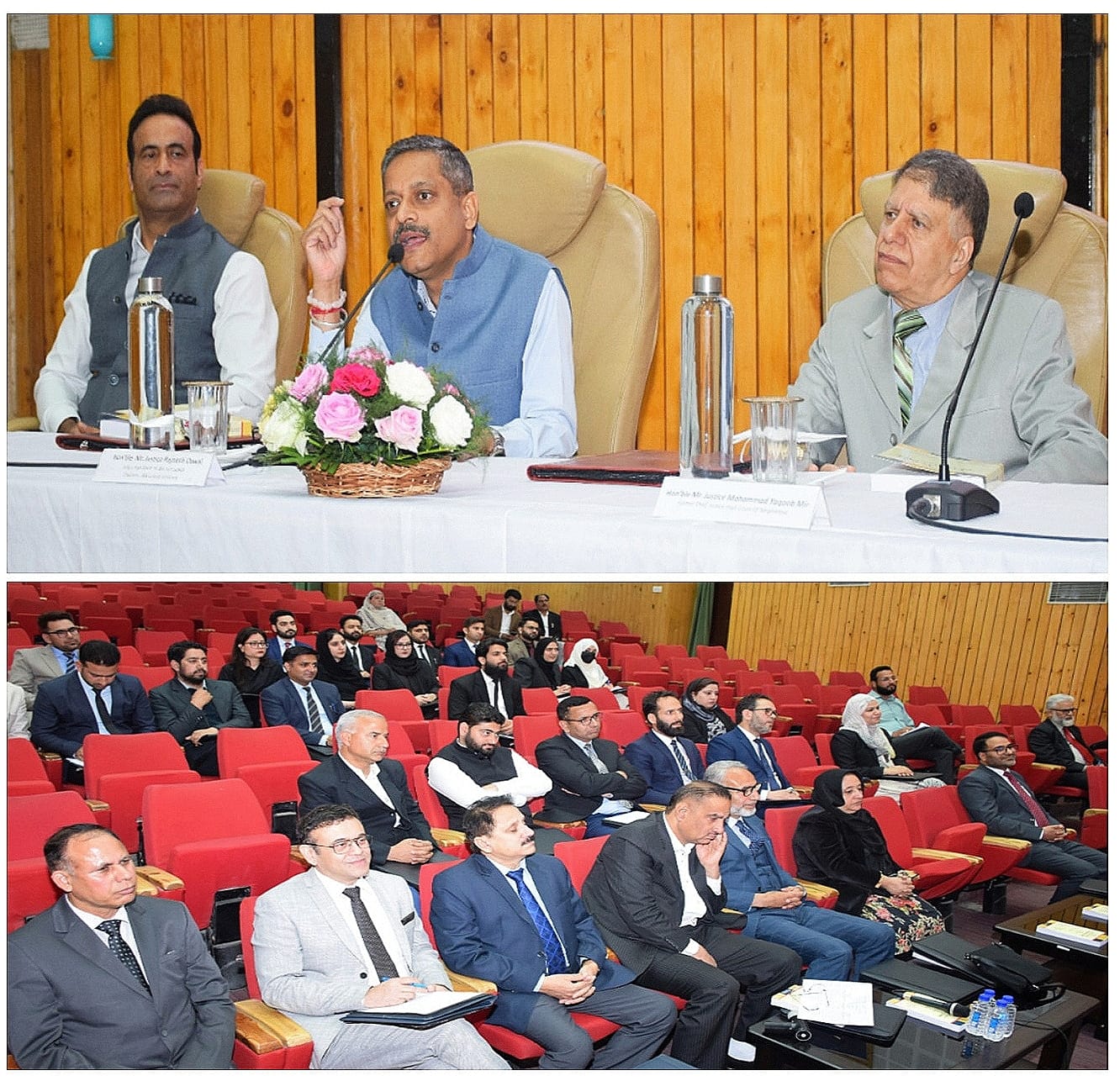
Srinagar, May 16 (PTK): Jammu and Kashmir Judicial Academy on Friday organised a one-day training programme on the Code of Civil Procedure (CPC) for Judicial Officers of Kashmir Province at its Moominabad campus in Srinagar.
The programme was conducted under the patronage of Arun Palli and under the guidance of the Chairman and members of the Governing Committee of the Academy.
Addressing the participants, Rajnesh Oswal, who is also Chairman of the Judicial Academy, said that the Code of Civil Procedure, though procedural in nature, is rooted in principles of natural justice and acts as an important instrument for implementation of substantive law.
He stressed that civil adjudication forms the foundation of a progressive civil society and called upon judicial officers to deal with civil litigation with procedural discipline, sensitivity and commitment.
Justice Oswal also highlighted the significance of Section 89 CPC and the role of Alternate Dispute Resolution mechanisms in facilitating amicable settlements and ensuring accessible and efficient justice delivery.
Director of the Academy Naseer Ahmad Dar in his welcome address stated that the CPC forms the backbone of civil adjudication and its proper application is essential for fair and timely administration of justice.
He said the programme aimed to strengthen judicial efficiency, improve case management and reduce delays in civil trials through discussions on practical application of procedural provisions.
The first two technical sessions were delivered by Mohammad Yaqoob Mir on the themes “Role of Court in Pre-Trial Proceedings and Effective Case Facilitation” and “Case Management, Framing of Issues and Discovery Procedures.”
He emphasised the importance of judicial intervention in pre-trial management for narrowing disputes and ensuring speedy disposal of civil cases. The sessions covered examination of parties under Order X CPC, use of Section 89 CPC, summoning of witnesses under Order XVI CPC, framing of issues under Order XIV CPC and discovery procedures under Order XI CPC.
The concluding session was delivered by Mohammad Ashraf Malik on “Pleadings, Admissions and Expeditious Adjudication.”
He stressed the need for continuous judicial learning, procedural discipline and effective case management to minimise delays arising from heavy pendency and prolonged litigation.
The technical sessions concluded with interactive discussions where judicial officers exchanged views and deliberated on practical and procedural challenges faced during civil adjudication.(PTK)